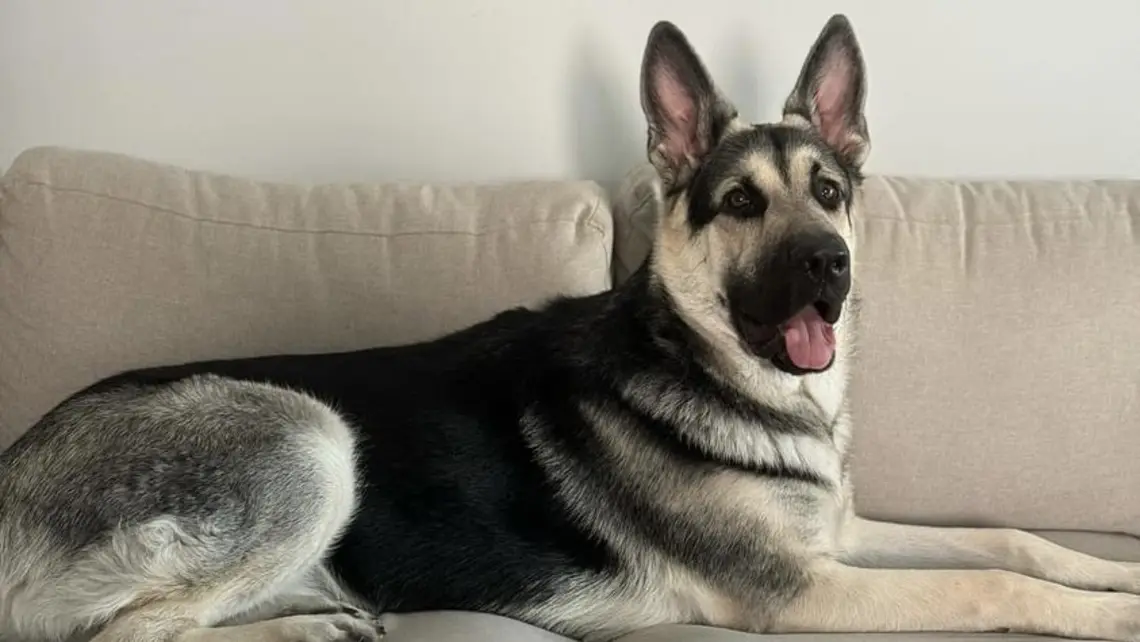
The East-European Shepherd, commonly known as the VEO (Vostochno-Evropeiskaya Ovcharka), is a powerful working breed developed through strict state-controlled breeding programs in Eastern Europe. Unlike many modern breeds shaped by show standards or trends, the VEO was created for one purpose: reliable real-world service under extreme conditions. Its history is inseparable from military demand, harsh climates, and the need for a dog capable of performing where others failed.
In the early 20th century, the Soviet Union began utilizing German Shepherds for military, border patrol, and police work. While these dogs demonstrated intelligence and trainability, it quickly became apparent that they were not ideally suited for the vast and unforgiving environments found across much of the Soviet territory. In regions characterized by extreme cold, deep snow, long winters, and remote duty stations, many German Shepherds struggled to maintain performance and, in some cases, survival.
To address this problem, Soviet military and government kennel programs launched a deliberate and highly controlled breeding initiative in the 1920s and 1930s. The goal was not to reinvent the working shepherd, but to strengthen it—retaining the intelligence and versatility of the German Shepherd while increasing size, endurance, bone strength, and resistance to cold. This effort was primarily centered in Belarus and later expanded throughout other parts of the Soviet Union.
Carefully selected German Shepherds with strong nerves, solid temperaments, and proven working ability formed the foundation of the program. These dogs were crossed with regional working breeds such as East Siberian Laikas, Ovcharka-type dogs, and other native utility breeds. Laikas contributed exceptional cold tolerance, thick protective coats, and stamina, while larger guardian breeds increased physical strength, bone density, and defensive instinct. Every breeding decision was guided by functionality, not appearance.
By the 1940s and 1950s, the East-European Shepherd had emerged as a clearly defined and consistent type. These dogs were noticeably larger and heavier than German Shepherds, with straighter backs, broader chests, thicker joints, and more substantial heads. Their structure emphasized durability and efficiency, allowing them to work long hours in extreme weather without breakdown. This physical design has remained fundamentally unchanged since that era.
One defining aspect of early VEO development was the deliberate and state-directed use of solid black dogs. Soviet military planners recognized the tactical advantages of black-coated shepherds and selectively bred for solid black coloration within government kennel programs. Black dogs were far less visible during nighttime patrols, border surveillance, guard duty, and facility protection, making them ideal for military installations, sensitive locations, and prisoner transport. As a result, breeding pairs producing solid black offspring were intentionally favored, and black dogs were retained and reproduced at higher rates than other colors. This was not an aesthetic preference, but a functional decision rooted in operational effectiveness. The prevalence of solid black East-European Shepherds today is a direct result of this purposeful state breeding strategy.
Throughout the mid-20th century, East-European Shepherds became the primary working dogs of Soviet military and security forces, including border troops and internal protection units. They were widely used for patrol, tracking and guard work. These dogs were expected to operate independently, make decisions under pressure, and respond decisively to real threats. Weak nerves, instability, or lack of courage were unacceptable traits and resulted in removal from breeding programs.
The temperament of the VEO was shaped accordingly. These dogs were bred to be calm, confident, and serious, with strong loyalty to their handlers and a natural suspicion of strangers. Unlike sport-oriented working dogs, protection was never treated as a game. For the East-European Shepherd, protection work was a real-world responsibility with real consequences, and the breed’s mental framework reflects that reality to this day.
During the Cold War era, breeding programs remained under strict state oversight. Dogs were evaluated based on health, endurance, nerve strength, and reliability in service. Appearance was secondary to function, which is why the East-European Shepherd avoided the extreme angulation and exaggerated features seen in some modern shepherd varieties. The breed’s structure, movement, and temperament today remain virtually identical to those of the dogs used by Soviet forces decades ago.
Unlike many breeds that have changed significantly over time, the East-European Shepherd has remained remarkably consistent. The same physical proportions, working drives, and mental stability valued during Soviet service are still preserved in authentic VEO bloodlines. This lack of change is intentional and reflects the success of the original breeding program. There was no need to redesign a dog that already excelled at its purpose.
Following the dissolution of the Soviet Union, centralized control of breeding programs ended, but dedicated breeders in Russia, Belarus, Ukraine, and surrounding regions continued to preserve the original East-European Shepherd standard. Their focus remained on maintaining the true working dog rather than modernizing the breed for sport or show. As a result, true VEOs remain rare outside Eastern Europe, especially in North America.
Today, the East-European Shepherd continues to excel as a protection dog, estate guardian, service dog, and loyal family protector for experienced owners. Its calm confidence, strong nerves, and natural guarding instinct are direct products of its history. The VEO is not a modified German Shepherd—it is a purpose-built working breed forged by climate, necessity, and decades of uncompromising selection.
The East-European Shepherd stands as a living example of functional breeding done right. Its consistency, strength, and reliability are not accidents of time but the result of careful preservation of a dog that never needed to change.
More Articles
Protection Training vs. Sport Training: Why the Difference Matters
A dog racing across a field and gripping a bite sleeve can...Read more
History of Czech Working Line German Shepherds
Czech working line German Shepherds are widely recognized as some of the...Read more
Why East-European Shepherds Make Excellent Personal Protection and Guard Dogs
The East-European Shepherd (VEO) is widely recognized as one of the most...Read more
