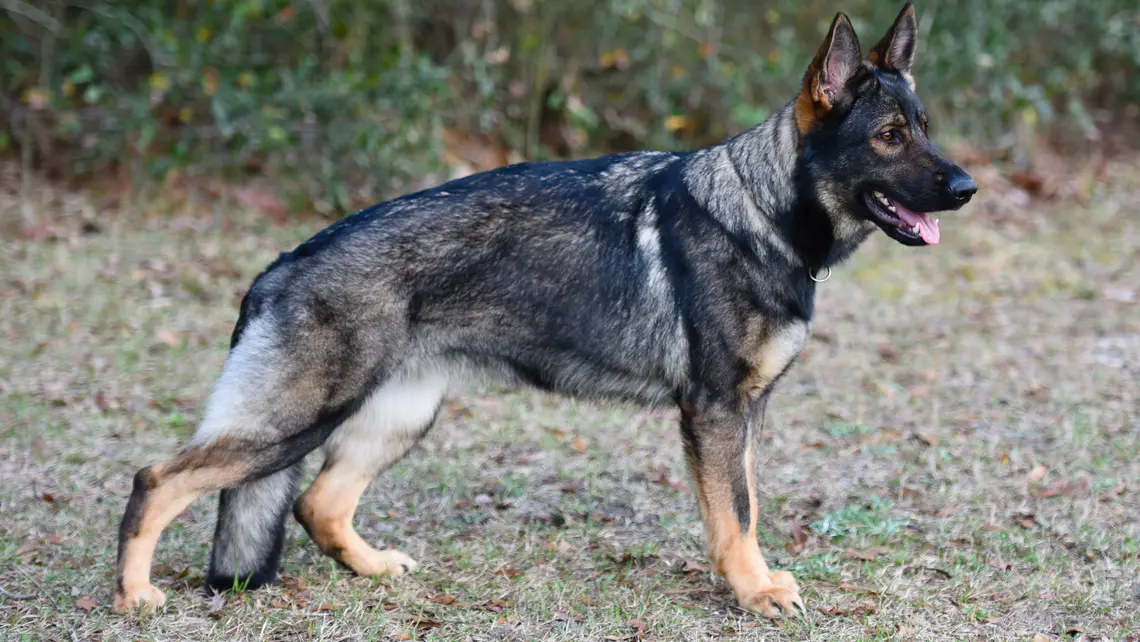
Czech working line German Shepherds are widely recognized as some of the most capable and driven working dogs in the world. Developed with a strict focus on performance, these dogs are known for their strong nerves, high endurance, and intense working ability. Their history is deeply rooted in military and border patrol programs, where only the best dogs were selected to reproduce.
Origins in Czechoslovakia
The development of Czech working line German Shepherds began in the early to mid-20th century in Czechoslovakia. As German Shepherds gained popularity across Europe for their versatility, the Czech government established controlled breeding programs to produce dogs suited for military and security roles.
Unlike show-oriented breeding, these programs focused entirely on function. Dogs were selected based on their working ability, mental strength, and physical durability. This approach laid the foundation for what would become one of the most respected working lines in the world.
A key figure in the development of these dogs was Jiri Novotny, who is widely regarded as one of the main founders of the Czech working line. His vision and breeding philosophy played a major role in shaping the dogs we see today. Jiri’s bloodlines live on and continue to influence many of the top working German Shepherds around the world.
The Influence of DDR Bloodlines
Czech working line German Shepherds are heavily based on DDR (East German) bloodlines. In many ways, they are considered the closest thing we have today to the original DDR working dogs. During the Cold War, breeding stock was shared between Czechoslovakia and East Germany, as both countries operated highly structured, performance-based breeding programs.
DDR German Shepherds were known for their strong structure, solid nerves, and durability. These traits blended seamlessly with the Czech breeding program, resulting in dogs that combined physical strength with intense drive and resilience.
Because of this foundation, Czech working line German Shepherds have maintained many of the qualities that made DDR dogs so respected—making them a top choice for serious working applications.
The Border Patrol Program
One of the most important influences on Czech working line German Shepherds was their use in the Pohraniční stráž, or Czech border patrol. These dogs were bred and trained to guard the country’s borders during the Cold War, often working in harsh and demanding environments.
They were required to patrol long distances, operate in extreme weather, and remain alert at all times. Only the strongest and most capable dogs were selected for breeding. This resulted in a population of German Shepherds with exceptional endurance, courage, and independence.
The emphasis was never on appearance. Instead, the program prioritized real-world performance. This created dogs that were not only physically strong but mentally stable and highly reliable under pressure.
Transition After the Fall of Communism
The fall of communism in 1989 brought significant changes to the Czech breeding system. State-run kennels were dissolved, and many of the dogs became available to private breeders. This allowed Czech working line German Shepherds to spread internationally.
As these dogs gained recognition, they became highly sought after for protection work, law enforcement, and sport. While breeding practices became more varied without government control, many dedicated breeders remained focused on preserving the original traits that defined the line.
Modern Czech Working Line German Shepherds
Today, Czech working line German Shepherds are known for their intensity, intelligence, and versatility. They are widely considered among the best German Shepherds for sport and personal protection, thanks to their balanced drives and strong working instincts.
These dogs typically exhibit high prey drive, strong focus, and a natural willingness to work. At the same time, they possess the confidence and stability required for real-world protection scenarios. This combination makes them highly effective in both competitive environments and practical applications.
Their structure and durability also reflect their working heritage. Built to perform rather than conform to show standards, they are powerful, athletic dogs capable of handling demanding tasks.
Conclusion
The history of Czech working line German Shepherds is built on purpose-driven breeding and strict selection. Influenced heavily by DDR bloodlines and shaped by military and border patrol programs, these dogs were developed to meet the highest working standards.
With the foundational influence of breeders like Jiri Novotny, whose bloodlines continue to live on today, Czech working line German Shepherds remain a top choice for those seeking serious working dogs.
For anyone looking for a driven, capable, and reliable partner, Czech working line German Shepherds represent one of the finest examples of what the breed was originally meant to be.
More Articles
Protection Training vs. Sport Training: Why the Difference Matters
A dog racing across a field and gripping a bite sleeve can...Read more
Why East-European Shepherds Make Excellent Personal Protection and Guard Dogs
The East-European Shepherd (VEO) is widely recognized as one of the most...Read more
History of East German (DDR) German Shepherds
The history of DDR German Shepherds is closely tied to the political...Read more
